0 items in your cart
0 items in your cart
Shuki (酒器), meaning “sake vessel,” comes in different materials, shapes, and sizes. They are not just for aesthetics; they change your sake-drinking experience.
What should you look for when choosing your sake vessel?
These two factors determine how quickly the sake’s temperature changes, how quickly the aroma dissipates, and how the liquid is delivered into your mouth.
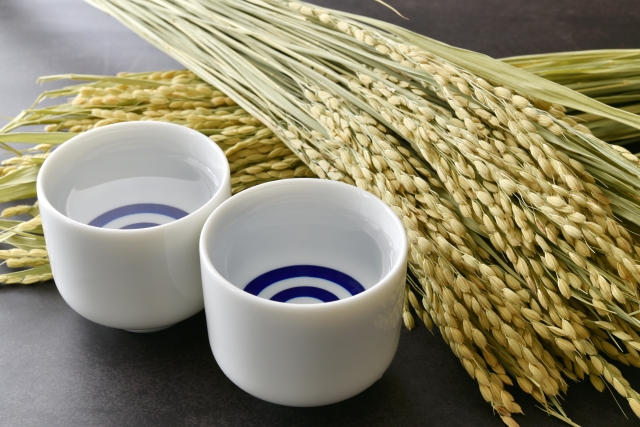
Ochoko is the most common sake drinking vessel. The iconic white, cylindrical-shaped vessel with blue circles inside (janome) has been the standard for assessing the clarity and colour of sake (e.g., in the Annual National Sake Competition).
Generally, they come in different shapes and are usually small in size (3- 6 cm in diameter). While the white cylindrical cup with a janome is the standard, they can also be made from different materials such as earthenware, wood, and metal.
Perfect for any type sake, from cold to hot, from ginjo to koshu!
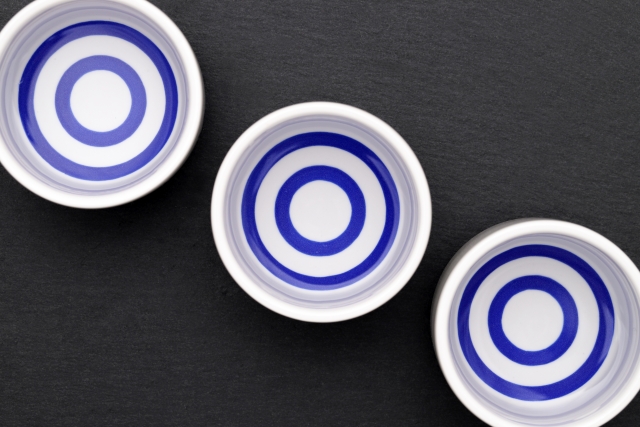
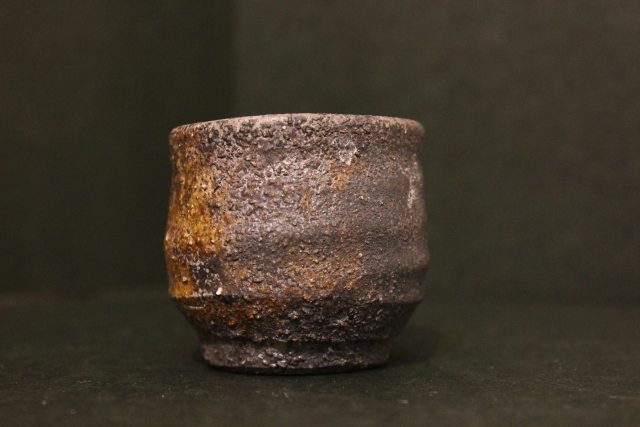
Guinomi is slightly larger than an ochoko.
Like the ochoko, they come in many materials: ceramic for a soft, warm feel; glass or metal for crisp, chilled sake. The wider cup mouth lets aromas open up and the thicker sides keep the temperature stable. Perfect for rich junmai and junmai ginjo, aged koshu, and even gently warmed sake — especially in ceramic.
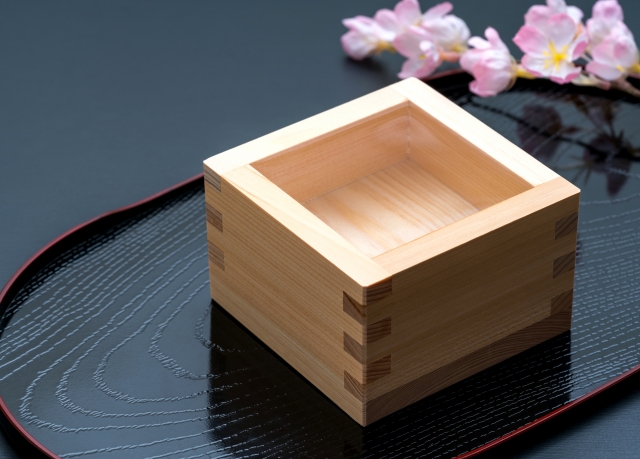
A masu is a wooden box traditionally used to measure rice. Most masu are made from Japanese cypress (hinoki) or Japanese cedar (sugi). A standard-sized masu holds 180ml.
Wood imparts flavour to your sake, a natural forest aroma that adds an extra dimension to warm junmai or honjozo. Other materials like lacquer, plastic or glass are inert but still great for drinking more delicate styles of sake.
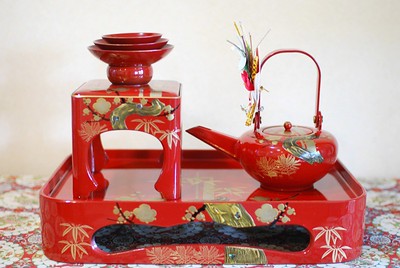
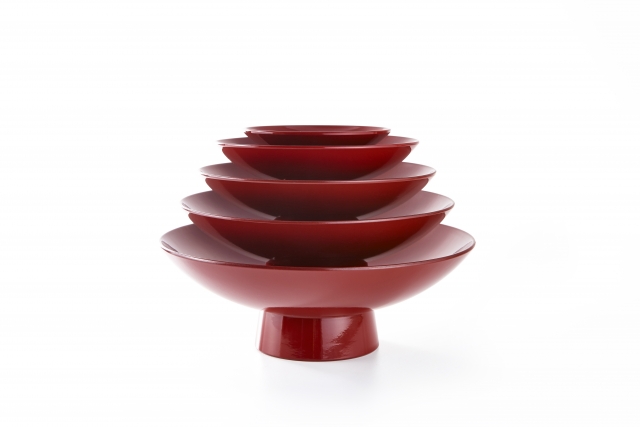
Sakazuki is a wide, shallow saucer-like vessel that was typically used for formal occasions, such as weddings, ceremonies, and Shinto festivals.
Sakazuki is usually made from ceramic or lacquerware but can be made from wood or plastic. With its wide, shallow surface, sakazuki suits aromatic ginjo-style sake because the large surface area elevates the aromas as the drinker sips.
Sakazuki also works with nigorizake. The shape enhances the mouthfeel when sake enters the mouth.
Temperature-wise, both cold and room-temperature sake work well, but avoid hot sake, as it may spill!
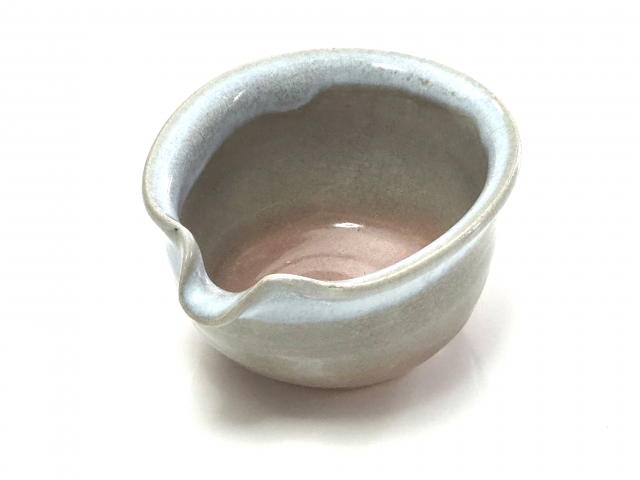
Katakuchi is a wide, open sake carafe with a single spout. The size is ideal for serving 2–4 people and offers controlled pouring.
The open mouth lets the sake breathe, lifting the aroma beautifully – perfect for chilled or room‑temperature sake, and especially good for aromatic styles like ginjo or namazake. We recommend pre-chilling the katakuchi for cold sake to match the temperature.
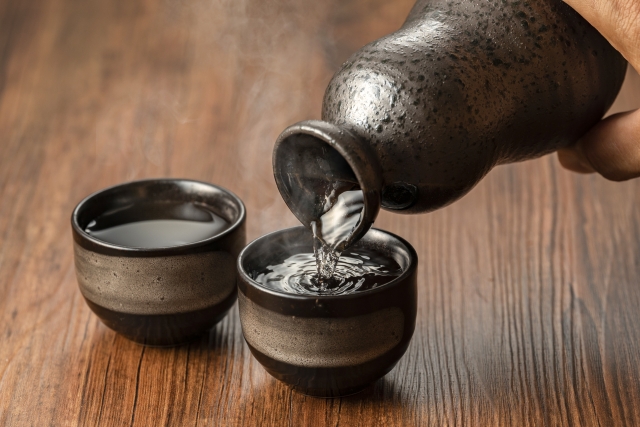
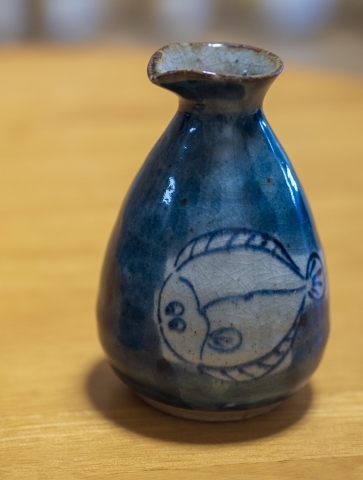
A tokkuri is a sake pouring vessel, mainly made of ceramic and metal.
Historically, during the Edo Period, people rented a tokkuri from a sake shop, filled it with sake, took it home, and returned it once they finished. Tokkuri is now used as an intermediary between a sake bottle and a drinking vessel.
Ceramic-based tokkuri are also handy for warming up sake, especially junmai-style sake. Pour sake into the vessel and place it in a hot water bath; monitor the temperature change, and you’ll get a nice, hearty warm sake.
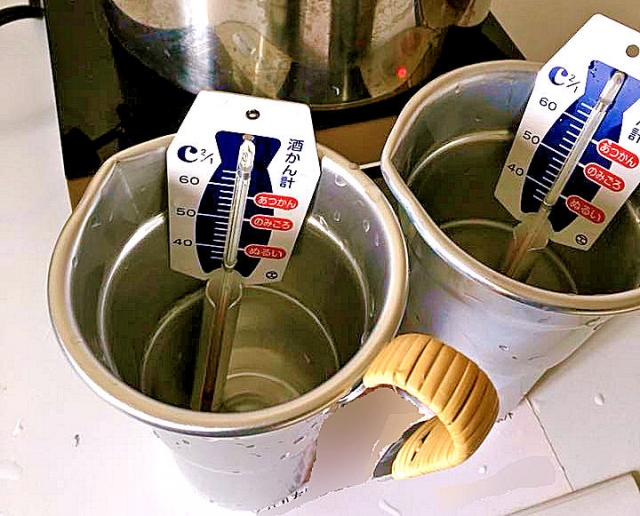
A chirori is a specialized piece of equipment for warming sake. This can be done by:
Chirori can be made from different metals, including stainless steel, copper, tin, and aluminum. Different metals have different thermal conductivities, which affect how quickly the sake heats up.
Generally, high-polishing-ratio sake such as junmai, honjozo, and futsu-shu are suitable for warming up in a chirori, but you can experiment with other styles too.
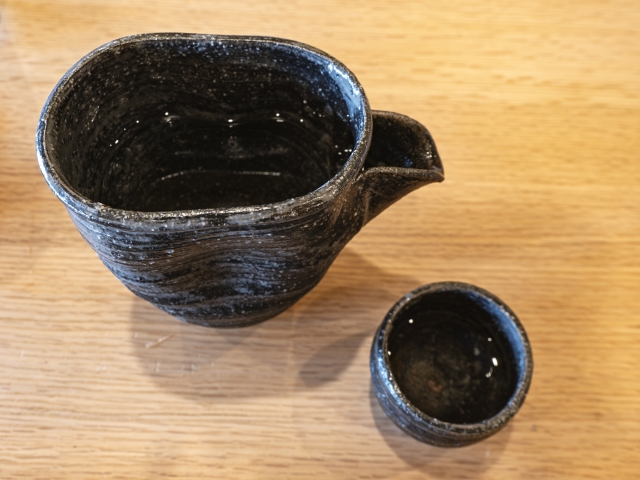
Ceramic-based sake vessels are widely available, and most ochoko and guinomi are made from clay.
Clay & porcelain are smooth so they soften edges, add warmth, and make aromas feel rounder. It also holds heat gently, so they’re perfect for warm junmai and honjozo, but also gently chilled ginjo or daiginjo.
Earthenware’s coarse texture feels great in the hand and their appearance adds to the enjoyment of your chosen sake. The material softens flavours and adds a warm, rustic feel to your sake experience. They hold heat beautifully, making them perfect for warm junmai, honjozo, yamahai, kimoto, or other rich, savoury styles.
These earthy, textured vessels shine in colder weather, with comfort food, and for slow, cosy drinking.
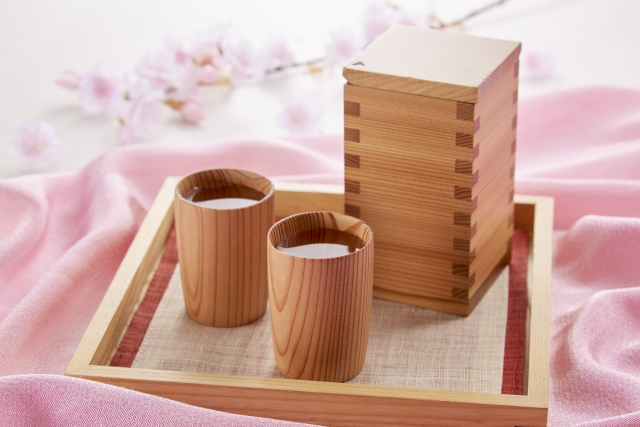
Wood-based sake vessels are usually in the form of masu or ochoko. They are typically made from Japanese cypress (hinoki) or Japanese cedar (sugi).
Newly made wooden sake vessels often transfer a calm, soothing, woody aroma to the sake, adding an extra dimension to the drinking experience. They are versatile and work with any sake, from cold to warm, from ginjo to junmai.
While most wooden sake vessels are reasonably priced, high-end traditional vessels, such as Magewappa from Akita, can be expensive.
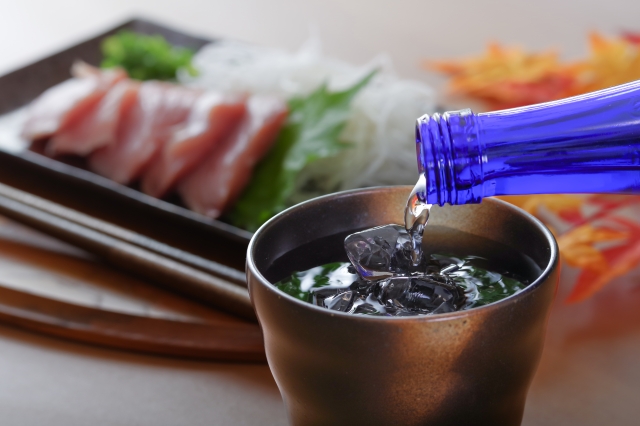
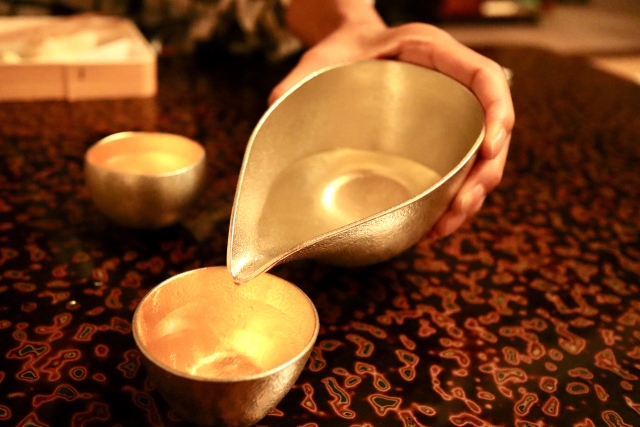
Metal-based sake vessels come in different shapes and forms, thanks to the malleable nature of metal.
These sake vessels and equipment can be made from various metals, including stainless steel, copper, tin, and aluminum. Tsubame (Niigata), Takaoka (Toyama), and Sakai (Osaka) are famous for their metalwork.
Metal-based sake vessels are best for drinking cold sake, as they enhance that steely, crisp texture. A clean, dry tanrei karakuchi sake would greatly benefit from it.
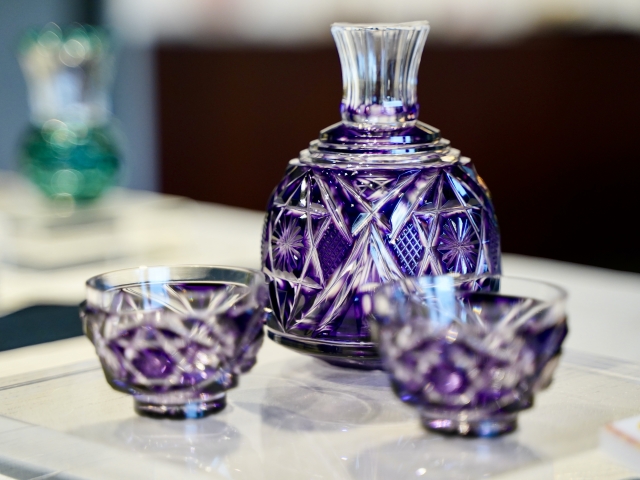
Glass-based sake vessels range from wine glasses to traditional Japanese glassware. Famous traditional Japanese glassware includes biidoro (= vidro in Portuguese) from Aomori, Edo Kiriko from Tokyo, and Satsuma Kiriko from Kagoshima.
Wine glasses are good for nosing sake. They suit cold or room-temperature sake across different styles, especially to help retain the sharp, crisp texture of cold sake.
In summary, the material and shape of the sake vessel influence sensory perception in the sake drinking experience.
Metal- and glass-based vessels usually have thinner rims, which suit cold ginjo-style sake and deliver a crisper mouthfeel.
Wood- and earthenware-based vessels usually have thicker rims, which suit warm junmai-style sake for a rounder mouthfeel.
Feel free to play around with different sake vessels with the same sake to enhance your drinking experience!
 Sparkling Dry
 Mountain Wind
 Sparkling Dry
 Velvet
 Gozenshu Light 2026
 Silk
 Silent Galaxy
 Alain Ducasse Sparkling
 Essence of Tanba
 Founder’s Estate
 Sparkling Hakushu
 White Core